We use cookies to ensure you get the best experience on our website. View our privacy policy

Skills and workforce

Exploring a career

Discover where semiconductors could take you

Semiconductors are at the heart of the technology we use every day.

From smartphones, cars and games consoles to artificial intelligence, healthcare and space exploration. The UK semiconductor industry offers a huge range of exciting career opportunities, whether you’re interested in science and engineering, computing and technology, business, design or something else entirely. If you’re starting to think about your future, this page will help you explore the industry, discover the different careers available and understand the routes you can take to get there.


16,650

people employed in UK semiconductor industry

1 million

new semiconductor workers needed globally by 2030

83%

of UK semiconductor firms expect growth over the next three years

Meet the semiconductor workforce

Hear first-hand from people working across the UK semiconductor sector about what they do, the skills they use, how they got into the industry and what their careers are really like.

Meet Heather, a Lead Device Scientist at Pragmatic
Meet Emma, a Process Engineer at Custom Interconnect
Meet Danielle, a Manufacturing Excellence Assistant Engineer at Clas-SiC
Meet Duncan, a Degree Apprentice and Process Engineer at Clas-SiC
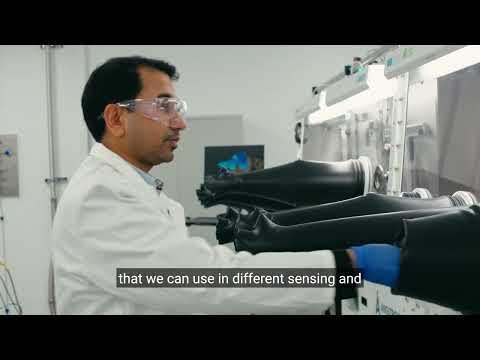
Meet Mazid, an Epitaxy Development Lead at Paragraf

Where to begin?

Across the UK, there are lots of activities and outreach programmes that give you a taste of electronics, engineering and the world of semiconductors. You can take part in these courses at every stage of your learning, from primary school right through to sixth form.

Current opportunities:

How to start?

There are a number of entry points into the semiconductor industry based on where you live across the UK, and the level of qualification you wish to pursue. Explore the routes below:

Level 1

An early opportunity to develop practical, digital, maths and employability skills that can support progression towards technical training or an apprenticeship. Students typically focus on core GCSE Physics, Mathematics, and specialist GCSE Electronics or Engineering topics.

Level 2

Courses and apprenticeships can begin developing the practical engineering, manufacturing, electronics and technical skills relevant to semiconductor environments.

  • Introduction to Advanced Manufacturing Technologies (Semiconductors) (Wales).
  • Lean Manufacturing Operative apprenticeship (England).
  • Engineering Operative apprenticeship (England).
  • Engineering and Manufacturing Foundation Apprenticeship (England).

Level 3

Study subjects such as maths, physics, engineering, electronics, computing or chemistry at A-level, undertake a relevant apprenticeship, or use Level 3 study as a route into higher education.

  • General Engineering Diploma (England).
  • Engineering Maintenance Technician – Single Discipline apprenticeship (England).

Level 4

Develop specialist knowledge in areas such as electronics, electrical engineering, manufacturing, engineering systems or related disciplines. Can provide a route directly into technical roles or further study.

  • HNC Electrical and Electronic Engineering (England).
  • HNC Electrical and Electronic Engineering (Wales).
  • Engineering Manufacturing Technician apprenticeship (England).

Level 5

Build deeper technical expertise for roles across semiconductor manufacturing, equipment, testing, packaging, maintenance and engineering, or progress towards degree-level study.

  • HND Electrical and Electronic Engineering for England (England).
  • HND Electrical and Electronic Engineering (Wales).

Level 6

One of the main routes into semiconductor engineering and technology careers. Relevant undergraduate subjects include electronic & electrical engineering, physics, materials science, chemistry, computer science, chemistry and related disciplines.


You can also undertake degree apprenticeships, where part of your time is spent studying and part is spent working full-time in industry. Examples of relevant degree apprenticeships include:

  • Embedded Electronic Systems Design and Development Engineer Degree (England).
  • BSc (Hons) Electrical and Electronic Engineering Degree Apprenticeship (Wales).
  • Apprenticeship in Electrical and Electronic Engineering (BEng Hons) (Wales).
  • BEng Integrated Engineering Degree Apprenticeship (Wales).
  • BEng (Hons) Engineering Design and Manufacture (Electronic) Graduate Apprenticeship (Scotland).
  • BEng (Hons) Engineering: Design & Manufacture Graduate Apprenticeship (Scotland).
  • BEng (Hons) Graduate Apprenticeship Engineering (Design and Manufacture)(Scotland).
  • BEng (Hons) Engineering Design & Manufacture (Graduate Apprenticeship)(Scotland).
  • BEng (Hons) Electrical and Electronic Engineering (Northern Ireland).

Level 7

Develop expertise in areas such as semiconductor devices, IC design, photonics, compound semiconductors, materials, advanced manufacturing, AI hardware and other specialist fields.

  • MEng Electrical and Electronic Engineering (England).
  • MEng Electrical and Electronic Engineering (Scotland).
  • MSc Compound Semiconductor Electronics (Wales).
  • MSc Compound Semiconductor Physics (Wales).
  • MSc Microelectronics Systems Design (England).
  • MSc Electronic Engineering (Northern Ireland).
  • MSc Electronics (Scotland).
  • MSc Electronics & Photonics Manufacturing (Scotland).
  • MSc Nanoscience & Nanotechnology (Scotland).
  • MSc Electronic & Electrical Engineering (Scotland).

Level 8

Undertake original research at the forefront of semiconductor science and engineering. UK semiconductor-related Centres for Doctoral Training (CDTs) provide structured doctoral training alongside industry engagement and specialist technical development.

More info on CDTs can be found here.

Widening participation

Widening participation is essential to building a strong, diverse and sustainable semiconductor workforce for the future. By opening up opportunities to people from all backgrounds, we can broaden the talent pool, bring new perspectives into the industry and ensure more people can benefit from the careers the sector has to offer.

A range of initiatives and programmes are already helping to widen participation and create more accessible pathways into the UK semiconductor industry:

Discover more

You can also explore support, opportunities and resources tailored to where you are in your journey – whether you’re studying, teaching or advising, already working in the industry, or an employer.